-


-
 Login |Dashboard
-
 Rewards
-
 Activities
-

 Shopping Cart
-
 New
-
 Used
-
 Electric
-
 Hybrid
-
 Loan
-
 Rent
-
 Sell
-
 e-Shop
-
 Motor Directory
-
 Accessories
-
 Insurance
-
 Articles
-
 Forum
-
 Resources
-
Download Mobile Apps


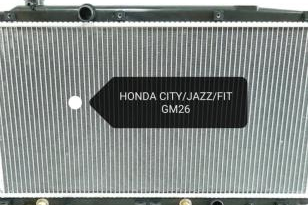
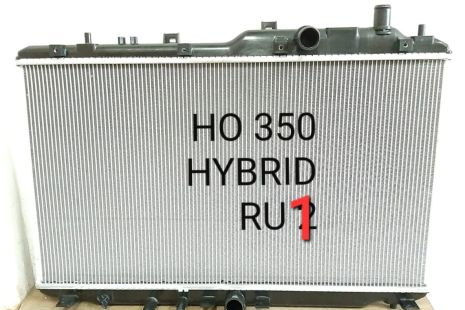
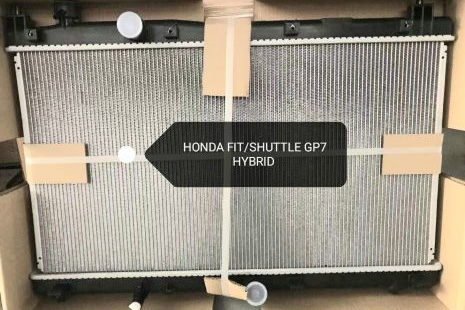
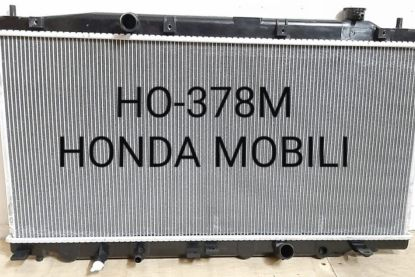

$425.10 Cash & Carry
Overview
A radiator is a heat exchanger that cools down hot engine fluid to prevent the engine from overheating. It sits at the front of the engine compartment and serves as the main component of the vehicle's cooling system.
How It Works
- Absorbs heat: A water pump circulates a liquid mixture of water and antifreeze (coolant) through channels in the hot engine block, where it absorbs excess heat.
- Flows into the radiator: The heated coolant travels through hoses into the radiator's inlet tank and spreads across a network of thin metal tubes in the core.
- Releases heat to the air: As the car moves, outside air flows through the car's grille and across the radiator's thin metal fins, drawing heat away from the fluid.
- Assisted airflow: When the car is stopped or idling in traffic, a cooling fan automatically turns on to push air through the radiator.
- Recirculates: The cooled fluid exits through the outlet tank and flows back into the engine to absorb more heat in a continuous cycle.
Merchant Information

15 Kim Chuan Terrace S(537037) (map)

9am - 7pm (Mon - Fri)
9am - 4pm (Sat)
Closed on PHs
9am - 4pm (Sat)
Closed on PHs


View 2 Items from this seller
Email Enquiry


You may also like:


Powered by: 
Products & Services

For Owners
Quick Links
About Sgcarmart